
GIS vs Remote Sensing: What's the Difference and Why It Matters
GIS vs Remote Sensing is a practical topic for Nigerian communities, students, NGOs, and public agencies trying to understand environmental risk. This article gives a plain-language starting point, explains why the topic matters, and links it back to GIS and Remote Sensing in Nigeria.
What does GIS vs Remote Sensing mean in Nigeria?
GIS vs Remote Sensing matters because local environmental decisions depend on clear information, readable maps, and practical action. In Nigeria, the same issue can affect students, farmers, policymakers, community leaders, and conservation teams in different ways. A useful explanation should connect the technical idea to daily decisions, not bury it under jargon.
Why should communities pay attention to GIS vs Remote Sensing?
Communities benefit when environmental information is translated into choices they can act on. That can mean identifying exposed settlements, restoring degraded land, preparing for flood season, protecting forest cover, or planning climate-smart agriculture. Leafgreen Africa uses this content model to make technical subjects easier to read and easier to apply.
How can Leafgreen Africa use this for climate action?
Leafgreen Africa connects GIS, field education, conservation practice, and partnerships. Articles in this pillar are designed to support search visibility, but also to help donors, volunteers, and local teams understand how environmental data can become practical climate action in Nigeria.
Cited statistics to know
30 m
Landsat’s common multispectral resolution for land-cover analysis
Source: USGS Landsat Missions
1976
Year Nigeria established its national space research programme foundation
Source: NASRDA historical profile
1 map
Leafgreen Africa target output for each field monitoring workflow
Source: Leafgreen Africa field documentation standard
"GIS vs Remote Sensing should be explained in a way that helps communities act, not just in a way that satisfies technical readers. Our job is to connect credible data with decisions people can make locally."
Where should readers go next?
Continue with the pillar guide: A Complete Guide to GIS and Remote Sensing for Environmental Monitoring in Nigeria. You can also explore related Leafgreen Africa projects and volunteer opportunities to connect this topic with local climate action in Nigeria.
Questions people ask
What is the short answer on GIS vs Remote Sensing?
GIS vs Remote Sensing is best understood as an environmental planning topic that helps Nigerian communities interpret risk, land change, or climate pressure in a practical way.
Where does this fit inside Leafgreen Africa's work?
It supports Leafgreen Africa's wider work on GIS-powered conservation, environmental education, tree planting, climate resilience, and community outreach.
Why does GIS vs Remote Sensing matter for Nigeria?
GIS vs Remote Sensing matters because environmental pressure affects livelihoods, public safety, land use, food security, and local planning across Nigerian communities.
How can GIS vs Remote Sensing be monitored with GIS?
It can be monitored by combining satellite imagery, field observations, maps, community reports, and environmental indicators that show change over time.
Who should read this guide on GIS vs Remote Sensing?
This guide is written for students, community leaders, NGOs, policy teams, donors, and volunteers looking for practical environmental information in Nigeria.
More from this hub
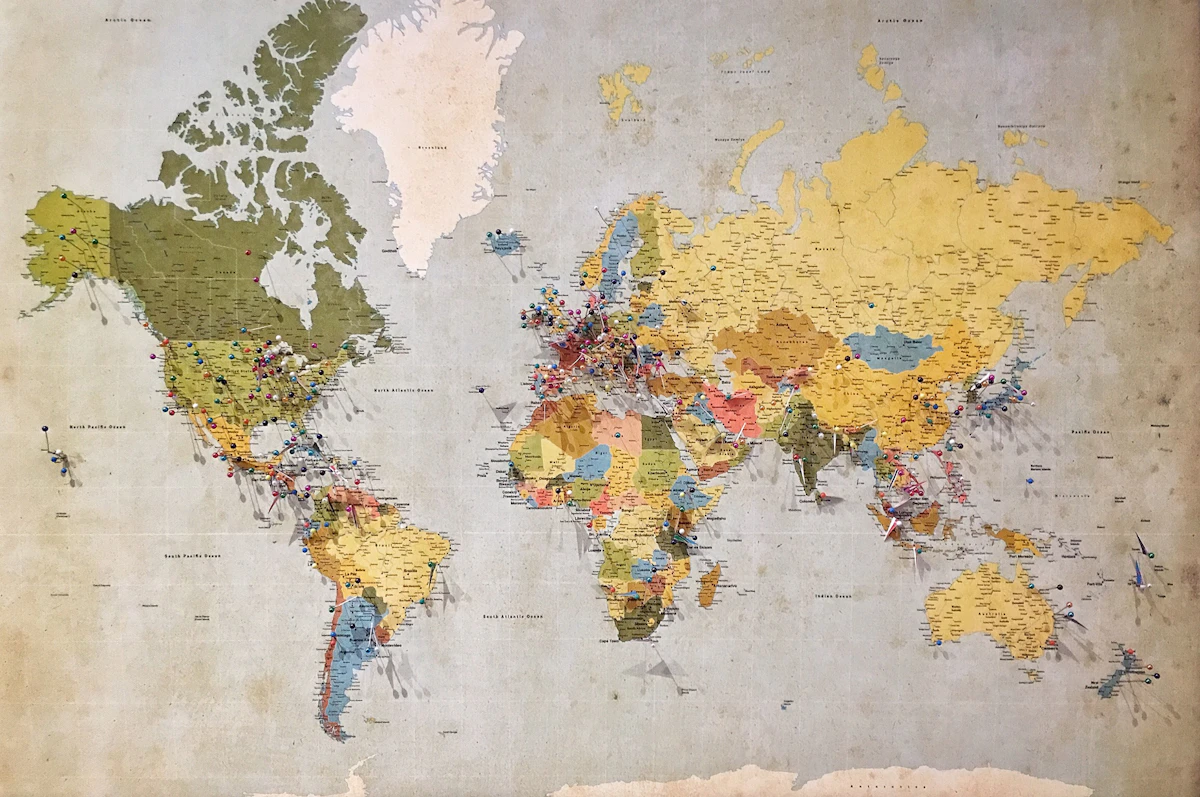
What is GIS? A Plain-Language Explanation for Nigerian Students and Policymakers
What is GIS? Learn how maps, location data, and analysis help Nigerian students and policymakers understand environmental change.
How Satellite Imagery is Used to Monitor Nigeria's Environment
Satellite imagery in Nigeria helps monitor forests, floods, farms, cities, and environmental change. Learn how the process works.

Free GIS Tools for Environmental Research in Nigeria
Free GIS tools in Nigeria, including QGIS and Google Earth Engine, help students and NGOs analyze environmental data.